
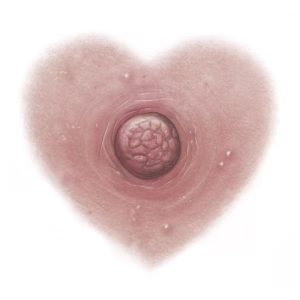


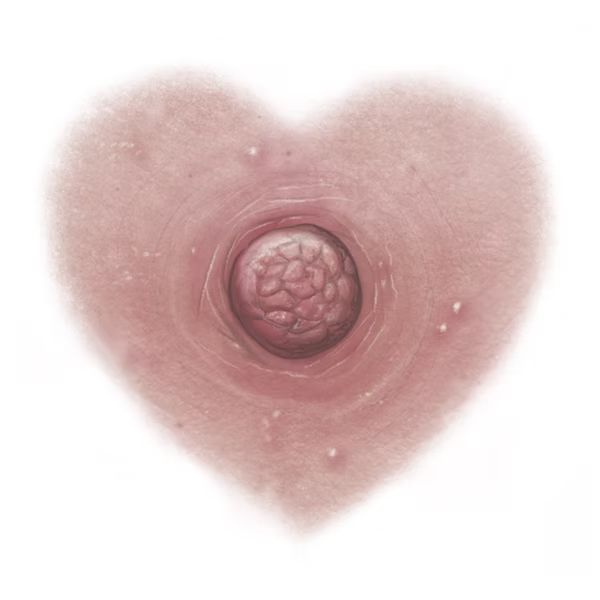
A 3d areola tattoo tulsa—also known as restorative nipple micropigmentation—is considered a semi-permanent to permanent paramedical procedure. Unlike traditional decorative tattoos that use heavy carbon-black inks designed to stay stark for decades, 3D nipple restoration relies on specialized, biocompatible pigments and delicate shading layers that gradually soften over time.
On average, a well-executed 3D areola tattoo maintains its crisp 3D depth, realistic highlights, and natural color warmth for 3 to 5 years before benefiting from a light color refresh. Understanding why pigments fade, what influences retention on reconstructed skin, and when to schedule touch-ups helps keep your results looking natural long term.
Why 3D Areola Tattoos Fade Gradually Over Time
Several biological and technical factors explain why paramedical tattoos soften more noticeably than traditional body art:
-
Medical-Grade Pigment Formulations: Paramedical specialists typically use purified iron oxides or stabilized organic-hybrid pigments engineered to fade softly and predictably rather than shifting into harsh bluish or greenish tones.
-
Shallower Implantation Depth: Reconstructed breast mounds—especially over implants or radiation-treated skin—often have thinner dermal layers. Artists deposit pigment gently in the upper dermis to prevent skin trauma and pigment migration, which naturally leads to gradual lightening as skin cells renew.
-
Subtle Highlights and Micro-Shading: The illusion of three-dimensional projection relies on pale ivory or peach highlights and whisper-thin cast shadows. Because light pigments contain less dense colorant than dark tones, highlights are usually the first details to soften.
Key Factors That Influence Longevity
While 3 to 5 years is the typical benchmark, individual retention varies depending on skin biology, surgical history, and daily habits:
1. Reconstructed Tissue and Scar Density
-
Scar Tissue: Mature surgical scars consist of dense collagen with altered blood supply. Scars may hold pigment slightly differently than surrounding skin, occasionally requiring an extra refinement pass during initial healing.
-
Radiation History: Skin previously treated with radiation can be thinner, drier, and less vascular, which sometimes accelerates gradual pigment fading compared to non-irradiated tissue.
2. Skin Type and Age
-
Oily vs. Dry Skin: Oily skin produces more sebum, which can cause fine pixelated shading to diffuse and lighten slightly faster. Dry, well-moisturized skin generally holds crisp micro-details longer.
-
Cellular Turnover: Younger individuals with faster epidermal cell turnover may notice slightly quicker fading than older clients whose skin regenerates more slowly.
3. Sun and UV Exposure
Ultraviolet radiation is the single biggest external factor in tattoo fading. UV rays break down pigment particles in the upper dermis, dulling warm undertones and flattening the contrast between highlights and shadows.
4. Skincare Ingredients
Regularly applying exfoliating acids (glycolic, salicylic, or lactic acid), retinoids, vitamin C serums, or mechanical scrubs directly over the chest accelerates skin shedding and lightens pigment prematurely.
The Two Types of Touch-Ups: Initial vs. Maintenance
When planning for long-term care, it helps to distinguish between your initial perfecting session and future color refreshes.
Initial Touch-Up (6 to 8 Weeks Post-Procedure)
Every new 3D areola tattoo undergoes a predictable healing curve:
-
Fresh Stage: Pigment looks 20% to 40% darker immediately after the first session due to surface oxidation.
-
Healed Stage: Over 6 to 8 weeks, the epidermis sheds and regenerates, softening the color and blending edges into the surrounding skin.
Because reconstructed skin and scar lines absorb pigment unevenly on the first pass, almost all paramedical specialists schedule a refinement touch-up 6 to 8 weeks later. During this visit, the artist reinforces faded highlights, balances warmth across scars, and ensures symmetric saturation.
Long-Term Color Refresh (Every 3 to 5 Years)
Over several years, the overall tone gradually lightens and the contrast between the simulated nipple shadow and highlight softens. A maintenance refresh session—usually shorter and quicker than the initial appointment—restores crisp 3D depth, brightens highlights, and rebalances warm undertones without starting from scratch.
Practical Tips to Extend the Life of Your 3D Areola Tattoo
Simple daily habits protect your pigment investment and keep the 3D illusion sharp:
-
Apply Daily Sun Protection: Whenever your chest is exposed to sunlight—including through thin fabrics or swimwear—apply a broad-spectrum SPF 30 or higher sunscreen.
-
Keep Skin Hydrated: Moisturize the breast mound regularly with a gentle, fragrance-free lotion to maintain healthy skin elasticity and clarity.
-
Avoid Harsh Actives on the Areola: Keep anti-aging retinoids, chemical exfoliants, and lightening creams away from the tattooed area.
-
Follow Strict Early Aftercare: Protecting the skin from soaking, heavy sweating, friction, and premature flaking during the first 10 to 14 days ensures maximum initial pigment retention.
Signs It May Be Time for a Refresh
You do not need to wait until the tattoo disappears to schedule a maintenance visit. Consider booking a touch-up consultation when you notice:
-
The raised 3D optical illusion starts looking flatter as pale highlights fade.
-
Subtle details like Montgomery glands or soft freckles lose definition.
-
The overall hue looks noticeably lighter than your natural areola (in unilateral cases) or softer than you prefer.
A quick, targeted refresh brings back natural warmth and dimensional clarity, keeping your restored areola looking lifelike for years to come.
